
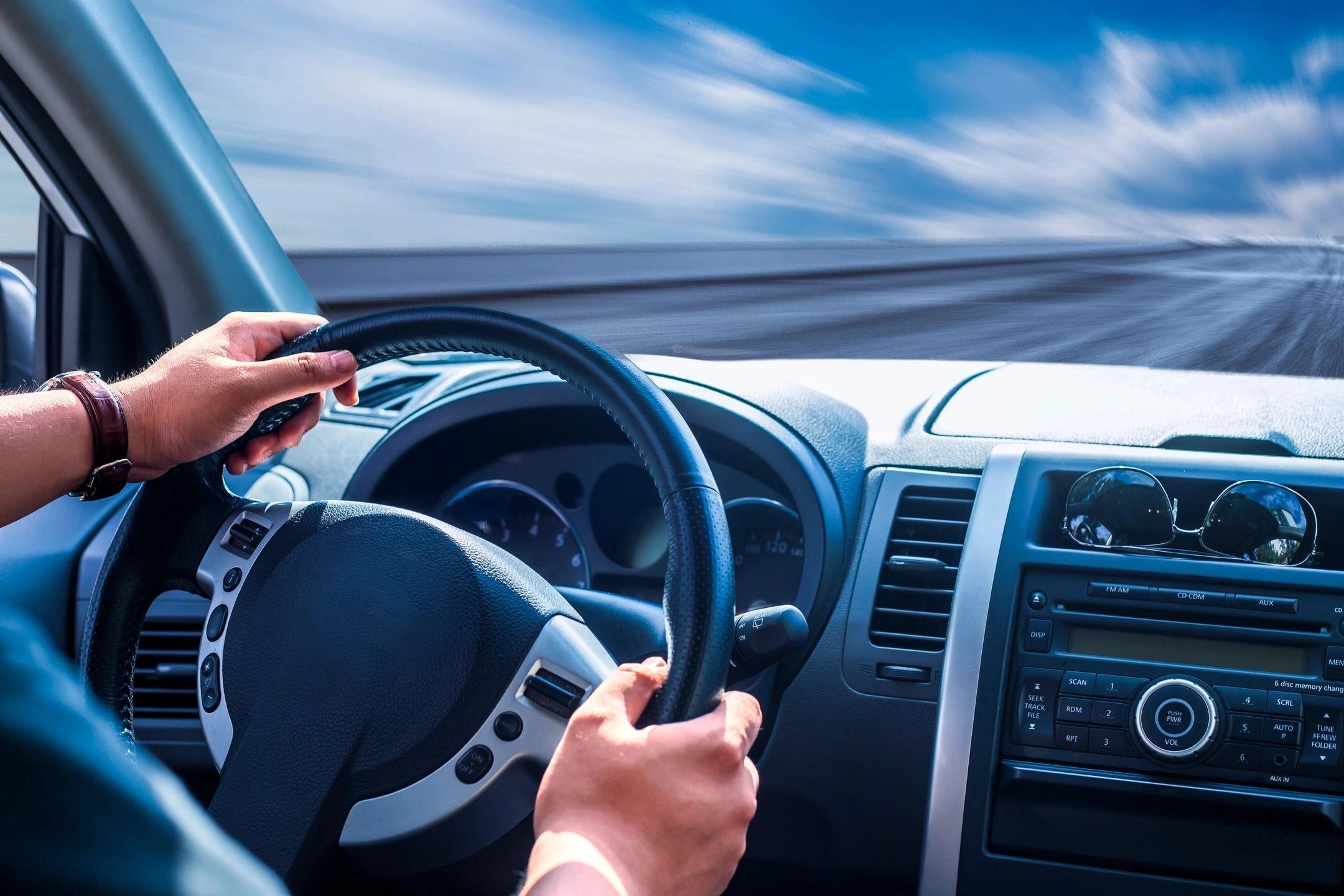
Ever been stuck behind someone dawdling in the left lane, while cars pile up behind them? Or worse, had someone tailgate you aggressively when you're already going the speed limit? We've all been there. These everyday frustrations highlight a crucial, often overlooked aspect of road safety: driving etiquette. It’s not just about knowing the traffic laws, it's about how we interact with other drivers, showing consideration, and ultimately, preventing accidents born from impatience and frustration.
Driving etiquette might seem like a soft skill, but it's deeply intertwined with road safety. When drivers are predictable, courteous, and respectful, the roads become less chaotic and more predictable. Aggressive driving, born from a lack of etiquette, leads to dangerous situations, increased risk of accidents, and heightened stress levels for everyone. Think of it like this: driving etiquette is the oil that keeps the gears of the road system running smoothly. A little bit of common courtesy goes a long way in preventing collisions and creating a more pleasant driving experience for all.
So, what can you dotodayto improve your driving etiquette and contribute to safer roads? One simple, yet highly effective habit is toalways signal your intentions clearly and in advance. Whether you're changing lanes, making a turn, or even pulling over to the side of the road, use your turn signals. This gives other drivers ample warning to adjust their speed and positioning, preventing sudden braking or dangerous maneuvers. Also, remember tomaintain a safe following distance. The "three-second rule" is a good starting point, but increase that distance in adverse weather conditions or when following larger vehicles. Giving yourself extra space provides more reaction time in case of sudden stops or unexpected hazards.
Understanding Right-of-Way
Right-of-way is a fundamental concept in driving etiquette and road safety. It dictates who has the legal authority to proceed in a given traffic situation. Misunderstandings about right-of-way are a common cause of accidents, so it's essential to have a solid grasp of the rules. Remember, even if you technically have the right-of-way, it's always wise to yield if the other driver isn't going to. Safety trumps pride.
Here are some key scenarios where right-of-way comes into play: Uncontrolled Intersections: At an intersection without traffic signals or stop signs, the driver on the left should yield to the driver on the right. Four-Way Stops: The driver who arrives first at the intersection has the right-of-way. If two vehicles arrive simultaneously, the driver on the left yields to the driver on the right. Merging onto a Highway: Drivers entering a highway from an on-ramp must yield to vehicles already on the highway. The responsibility is on the merging driver to find a safe gap in traffic. Yielding to Pedestrians: Pedestrians always have the right-of-way in crosswalks, whether marked or unmarked. Be extra cautious in areas with high pedestrian traffic, such as school zones and downtown areas.
What happens if two cars arrive at a four-way stop at the same time and are directly across from each other?
This situation can be tricky. While the general rule is that the driver on the left yields to the driver on the right, communication is key. A simple nod or wave can clarify intentions and prevent a potential collision. If both drivers are unsure, it's best to proceed cautiously and yield to the other driver. Err on the side of caution.
The Art of Lane Management
Lane management is another crucial aspect of driving etiquette and contributes significantly to smoother traffic flow. It's about choosing the appropriate lane for your speed and destination and avoiding unnecessary lane changes.
The Left Lane: In most jurisdictions, the left lane is intended for passing. If you're not actively passing another vehicle, you should move to the right. Lingering in the left lane, even if you're driving the speed limit, can impede traffic flow and frustrate other drivers. Avoiding Lane Hogging: Lane hogging, or occupying a lane without passing, is a common source of frustration for other drivers. Be mindful of the vehicles around you and move to the right when it's safe to do so. Using Turn Signals for Lane Changes: Always use your turn signals well in advance of changing lanes. This gives other drivers ample time to react and adjust their speed. Check your mirrors and blind spots before making any lane changes. Merging Smoothly:When merging onto a highway or into a lane of traffic, match the speed of the surrounding vehicles and merge smoothly. Avoid sudden lane changes or abrupt braking.
Is it ever okay to speed up to prevent someone from merging in front of me?
Absolutely not. Speeding up to prevent someone from merging is aggressive and dangerous driving. It can easily lead to a collision. Instead, be courteous and allow the other driver to merge safely. Remember, patience and cooperation are essential for safe and efficient traffic flow. Defensive driving habits prioritize safety above all else.
Handling Tailgaters with Grace
Being tailgated is an uncomfortable and potentially dangerous situation. It's important to handle it calmly and responsibly. Resist the urge to brake suddenly or engage in retaliatory behavior. This will only escalate the situation and increase the risk of an accident.
Maintain a Safe Following Distance: Even though the tailgater is close to you, maintain a safe following distance from the vehicle in front of you. This will give you more time to react if the vehicle ahead suddenly brakes. Gradually Increase Your Following Distance: If it's safe to do so, gradually increase your following distance from the vehicle ahead. This will give the tailgater more space and may encourage them to back off. Move to the Right Lane: If you're in the left lane and a tailgater is behind you, move to the right lane when it's safe to do so. This will allow the tailgater to pass you and continue on their way. Avoid Eye Contact: Avoid making eye contact with the tailgater. This can be interpreted as confrontational and may escalate the situation. If Necessary, Pull Over:If the tailgater is extremely aggressive or you feel threatened, pull over to the side of the road and let them pass. Your safety is the priority.
What if the tailgater is extremely aggressive and honking their horn?
The best course of action is to remain calm and avoid engaging with the aggressive driver. Do not make eye contact or react to their behavior. Focus on maintaining a safe following distance and signaling your intentions clearly. If you feel unsafe, pull over in a well-lit, public area and call the police. Do not attempt to confront the other driver.
Vehicle Safety Features & Responsible Usage
Modern vehicles are equipped with a plethora of safety features designed to enhance road safety. However, it's crucial to understand how these features work and use them responsibly.
Anti-Lock Braking System (ABS): ABS prevents your wheels from locking up during hard braking, allowing you to maintain steering control. If you feel the ABS activating, apply firm and continuous pressure to the brake pedal. Do not pump the brakes. Electronic Stability Control (ESC): ESC helps prevent skidding by automatically applying brakes to individual wheels when it detects a loss of control. Airbags: Airbags are designed to deploy in a collision to cushion the occupants of the vehicle. Always wear your seatbelt, as airbags are most effective when used in conjunction with seatbelts. Lane Departure Warning (LDW): LDW alerts you when your vehicle is drifting out of its lane. However, it's not a substitute for paying attention to the road. Adaptive Cruise Control (ACC):ACC automatically adjusts your vehicle's speed to maintain a safe following distance from the vehicle ahead. However, you should still remain vigilant and be prepared to take control of the vehicle if necessary.
How often should I check the pressure in my tires?
It is recommended to check your tire pressure at least once a month and before any long trips. Proper tire inflation is crucial for safe handling, fuel efficiency, and tire longevity. Refer to your vehicle's owner's manual or the sticker on the driver's side doorjamb for the recommended tire pressure.
Mindful Driving: Eliminating Distractions
Distracted driving is a major contributor to accidents. It's essential to eliminate distractions while behind the wheel to maintain focus on the road.
Cell Phones: Never text or talk on the phone while driving. Even hands-free devices can be distracting. If you need to make a call, pull over to a safe location. Eating and Drinking: Avoid eating or drinking while driving. These activities can take your attention away from the road and increase your reaction time. Grooming: Don't groom yourself while driving. Applying makeup, shaving, or styling your hair can be dangerous distractions. Adjusting the Radio or Navigation: Set your radio station or navigation system before you start driving. If you need to make adjustments while on the road, pull over to a safe location. Passengers:Avoid engaging in distracting conversations with passengers. Focus on driving and encourage your passengers to do the same.
Driving safely is a continuous learning process. Every trip is an opportunity to practice good driving habits and contribute to a safer road environment for everyone. Be patient, be courteous, and always prioritize safety. The roads will be a much better place if we all commit to showing a little more respect and consideration behind the wheel. It might not always be easy, but the rewards – safety, reduced stress, and a more pleasant driving experience – are well worth the effort.