
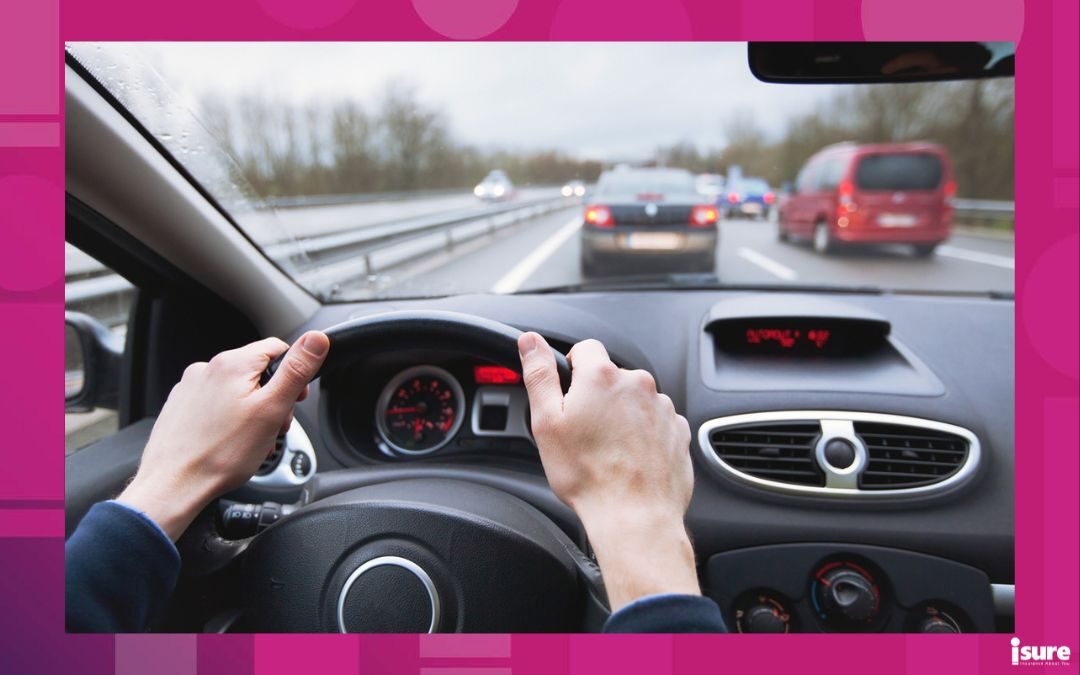
Ever been cut off in traffic? Or had a car suddenly brake hard in front of you? We all have. Those heart-stopping moments are a stark reminder that even the most experienced drivers can find themselves in tricky, potentially dangerous situations. Reacting quickly and safely is key to avoiding accidents and keeping yourself and others safe on the road.
That's where defensive driving comes in. It's more than just knowing traffic laws; it's about adopting a proactive mindset and using specific techniques to anticipate hazards and avoid collisions. Ignoring these essential defensive driving habits can lead to increased risk of accidents, higher insurance premiums, and, most importantly, potential injuries or fatalities. The good news is that defensive driving is a skill that can be learned and improved with practice.
Making small adjustments to your driving habits can have a big impact on your safety. A simple starting point? Increase your following distance. The "three-second rule" is a great guideline: pick a stationary object alongside the road (a sign, a tree, etc.). As the vehicle in front of you passes that object, count "one thousand and one, one thousand and two, one thousand and three." If you pass the same object before you finish counting, you're following too closely. In bad weather, increase that distance to four or even five seconds. This extra space gives you more time to react if the car ahead of you brakes suddenly. Also, actively scan the road ahead – don't just focus on the car directly in front of you. Look further down the road to anticipate potential problems, such as merging traffic, pedestrians, or changes in road conditions.
Mastering the Fundamentals of Defensive Driving
Defensive driving is about being prepared and proactive, not reactive. It involves understanding potential hazards, anticipating the actions of other drivers (even when they’re not predictable!), and adjusting your driving accordingly. Here’s a breakdown of some core principles: Awareness: This is the cornerstone of defensive driving. It means being constantly aware of your surroundings – not just the car in front of you, but everything around you: other vehicles, pedestrians, cyclists, road conditions, and potential hazards. Anticipation: Predict what other driversmightdo, not what youthinkthey will do. Assume they might change lanes without signaling, run a red light, or suddenly stop. Judgment: Make safe and informed decisions based on the available information. This includes assessing risks, choosing the safest course of action, and executing maneuvers smoothly and precisely. Space Management: Maintain a safe buffer zone around your vehicle. This allows you time to react to unexpected events and avoid collisions.
These principles sound straightforward, but applying them in real-world driving situations requires practice and conscious effort.
What is the SMOG Method and why is it important?
The SMOG method is a simple acronym that helps drivers remember the key steps when changing lanes: Signal: Indicate your intention to change lanes well in advance. This gives other drivers time to react. Mirror: Check your rearview and side mirrors to ensure the lane is clear. Over the Shoulder: Briefly glance over your shoulder (in the direction you intend to move) to check your blind spot. Don't rely solely on your mirrors, as they don't provide a complete view. Go: If the lane is clear and safe, smoothly change lanes. Avoid abrupt or jerky movements.
Using the SMOG method consistently ensures that you're aware of your surroundings and minimize the risk of a collision when changing lanes. It's a fundamental safe driving tip that all motorists should know.
Essential Defensive Driving Techniques
Now let's dive into some specific defensive driving techniques that you can start using today: The Three-Second Rule (and Beyond): As mentioned earlier, maintain a minimum three-second following distance in ideal conditions. Increase this distance in adverse weather, when following large vehicles, or when visibility is limited. Scanning and Visual Lead Time: Look well ahead (at least 12-15 seconds) to anticipate potential hazards. This gives you more time to react. Scan your mirrors frequently (every 5-8 seconds) to monitor traffic around you. Managing Blind Spots: Be aware of your vehicle's blind spots and always check them before changing lanes or merging. Use the SMOG method diligently. Consider adjusting your mirrors to minimize blind spots. Effective Communication: Use your signals to communicate your intentions to other drivers. Be clear and timely. Don't assume other drivers know what you're going to do. Speed Management: Adjust your speed to match the road conditions, traffic flow, and visibility. Remember that the posted speed limit is not always a safe speed. Slow down in adverse weather or when approaching intersections. Avoiding Distractions: Distracted driving is a major cause of accidents. Put away your phone, avoid eating or drinking while driving, and minimize other distractions. Focus solely on the task at hand: driving safely. Proper Lane Positioning: Position your vehicle in the safest part of the lane. Avoid driving in other vehicles' blind spots. Give cyclists and pedestrians plenty of space. Managing Fatigue: Driving while fatigued can be just as dangerous as driving under the influence. Get enough sleep before driving, take breaks on long trips, and avoid driving when you're feeling tired. Emergency Maneuvers:Know how to react in emergency situations, such as a tire blowout, brake failure, or skidding. Practice these maneuvers in a safe environment (e.g., an empty parking lot) to improve your skills. Consider taking an advanced driving course.
What’s the safest speed in rain?
There's no single "safest speed" for driving in the rain. It depends on several factors, including the intensity of the rain, the condition of your tires, the amount of standing water on the road, and the type of vehicle you're driving. However, the key principle is toreduce your speed significantly when driving in the rain.
Hydroplaning, where your tires lose contact with the road surface due to a layer of water, is a major risk in wet conditions. To minimize the risk of hydroplaning:
Slow down gradually. Avoid sudden braking or acceleration.
Maintain a greater following distance.
Ensure your tires have adequate tread depth.
If you feel your vehicle start to hydroplane, ease off the accelerator, steer straight, and avoid braking. Once you regain traction, gently steer in the desired direction.
As a general guideline, consider reducing your speed by 10-20 mph (or more) below the posted speed limit when driving in moderate rain. In heavy rain or standing water, you may need to slow down even further. Prioritize safety over maintaining speed.
Understanding Vehicle Safety Features
Modern vehicles are equipped with a variety of safety features designed to help prevent accidents and protect occupants in the event of a collision. Understanding these features and how to use them properly is an essential part of defensive driving.
Anti-lock Braking System (ABS): Prevents your wheels from locking up during hard braking, allowing you to maintain steering control. In an emergency braking situation, apply firm and continuous pressure to the brake pedal. Do not pump the brakes. Electronic Stability Control (ESC): Helps to prevent skidding by automatically applying brakes to individual wheels. ESC is particularly helpful in slippery conditions or during sudden maneuvers. Traction Control System (TCS): Limits wheel spin during acceleration, improving traction on slippery surfaces. Airbags: Provide cushioning in the event of a collision. Make sure all occupants are properly restrained with seatbelts to maximize the effectiveness of airbags. Lane Departure Warning System (LDW): Alerts you if your vehicle is drifting out of its lane. This can be helpful in preventing accidents caused by distracted or drowsy driving. Blind Spot Monitoring System (BSM): Alerts you to the presence of vehicles in your blind spots. Forward Collision Warning System (FCW): Warns you of an impending collision with a vehicle in front of you. Automatic Emergency Braking (AEB): Automatically applies the brakes to help avoid or mitigate a collision. Backup Camera:Provides a view of the area behind your vehicle when backing up.
Familiarize yourself with the safety features in your vehicle and understand how they work. Regular maintenance, including tire pressure checks and brake inspections, is also crucial for ensuring that these features function properly. Remember, however, that these features are designed toassistyou, not replace your role as a responsible and attentive driver.
What's the best way to recover from a skid?
The best way to recover from a skid depends on whether you have front-wheel drive, rear-wheel drive, or all-wheel drive. Here’s a general guide applicable to most vehicles:
1.Stay Calm: Panic can make the situation worse. Take a deep breath and focus on regaining control.
2.Ease Off the Pedals: Immediately take your foot off the accelerator and, if possible, the brake. Avoid sudden braking or acceleration, as this can worsen the skid.
3.Steer in the Direction of the Skid: This is the most crucial step. If the rear of your car is sliding to the right, steer to the right. If it's sliding to the left, steer to the left. The goal is to point the front wheels in the direction you want the car to go.
4.Gently Counter-Steer: As the car begins to straighten out, gently steer back in the opposite direction to prevent overcorrection.
5.Regain Control: Once the skid is corrected, gently accelerate and steer back into your intended lane.
For vehicles with*anti-lock brakes (ABS), maintain firm and continuous pressure on the brake pedal if you need to brake during a skid. The ABS system will automatically modulate the brakes to prevent wheel lock-up. Do not pump the brakes.
For vehicles*without ABS, gently pump the brakes to avoid locking the wheels.
Practice these techniques in a safe, controlled environment (like an empty parking lot) to develop muscle memory and improve your ability to react effectively in a skid.
Ultimately, defensive driving is a continuous learning process. Stay informed about the latest road safety tips, traffic laws, and vehicle safety features. Review your driving habits regularly and identify areas where you can improve. By adopting a proactive and responsible approach to driving, you can significantly reduce your risk of accidents and help create a safer environment for everyone on the road. Don't feel pressured to become perfect overnight. Small, consistent improvements in your driving habits will make a real difference over time. Drive safely and stay aware!