
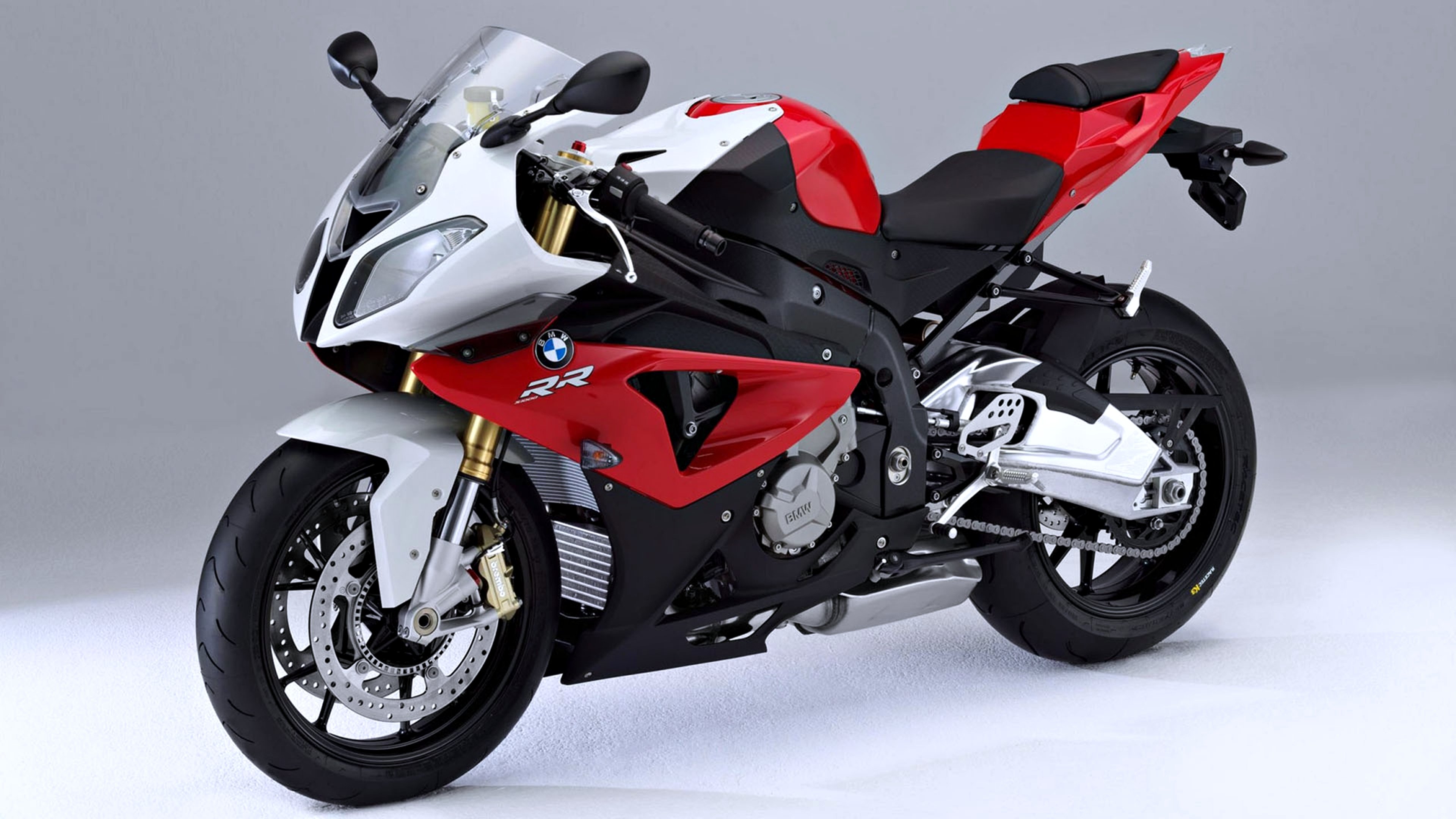
Picture this: You’re cruising down a sunny highway, windows down, radio playing. You glance in your rearview mirror, signal, and begin to change lanes. Suddenly, a motorcycle roars past, much closer than you anticipated. Heart pounding, you swerve back into your lane, narrowly avoiding a collision. This near miss highlights a crucial aspect of road safety: motorcycle awareness.
Every day, drivers share the road with motorcycles, and the stakes are high. Because motorcycles are smaller and less protected than cars, accidents involving motorcycles often result in serious injuries or fatalities. Being aware of motorcycles, understanding their unique characteristics, and adjusting our driving habits accordingly is essential for preventing accidents and ensuring everyone gets home safely. This isn’t just about following traffic laws; it’s about cultivating defensive driving habits and a genuine commitment to road safety.
So, what can you do right now to become a more motorcycle-aware driver? One simple yet effective habit is to consciously increase your following distance when behind a motorcycle. Remember the "three-second rule"? Make it four or five seconds. This gives you more time to react if the motorcycle needs to brake suddenly, especially in adverse weather conditions or on unpredictable road surfaces. This small adjustment can make a world of difference.
Understanding Motorcycle Blind Spots
Motorcycles, like all vehicles, have blind spots. However, their smaller size can make them more difficult to see, particularly in a car's blind spots. This is why it's crucial to be extra vigilant when changing lanes or merging onto a highway.
Where are a motorcycle's typical blind spots? Similar to cars, motorcycles have blind spots on either side and to the rear. However, because of their narrow profile, they can be easily obscured by a car's pillars or even by the driver's headrest. Always physically turn your head to check your blind spots before changing lanes – don't just rely on your mirrors. How can drivers compensate for these blind spots? The key is to be proactive. Before making any maneuver, take the time to thoroughly scan your surroundings. Check your mirrors multiple times, use your turn signals well in advance, and, most importantly, perform a head check. Look twice, save a life. What if a motorcycle is riding in my blind spot? If you suspect a motorcycle is in your blind spot, subtly adjust your speed or position in your lane to try and get a better view. Avoid sudden movements that could startle the rider. The safest approach is always to assume a motorcyclecouldbe there, even if you don't immediately see it.
Safe Driving Tips: Sharing the Road with Motorcycles
Sharing the road safely with motorcycles requires a proactive and considerate approach. These aren’t just suggestions; they’re essential defensive driving habits that can save lives.
Always signal your intentions: Use your turn signals well in advance of any lane change or turn. This gives motorcyclists ample time to react to your movements. Sudden lane changes are a leading cause of motorcycle accidents. Check your mirrors and blind spots: Before changing lanes, merging, or making a turn, thoroughly check your mirrors and blind spots. Remember, motorcycles can be smaller and harder to see than other vehicles. Don’t just glance;activelylook. Maintain a safe following distance: Give motorcycles plenty of space. A motorcycle can stop much faster than a car, so maintaining a greater following distance provides you with more time to react if they brake suddenly. The recommended following distance is at least three to four seconds. Increase this distance in adverse weather conditions. Be aware of road hazards: Potholes, gravel, and other road debris can be particularly hazardous for motorcycles. Avoid running over these hazards, and if you see a motorcycle approaching one, give them plenty of space to maneuver. Be extra cautious at intersections: Intersections are a common site for motorcycle accidents. When turning left, make sure you have a clear view of oncoming traffic, including motorcycles. Don't assume a motorcycle is going to slow down or stop; be prepared for them to proceed through the intersection. Avoid distracted driving: Distracted driving is dangerous for everyone, but it's especially risky when motorcycles are present. Put away your phone, adjust your music before you start driving, and focus on the road. Even a momentary lapse in attention can have devastating consequences. Consider the weather:Rain, wind, and other adverse weather conditions can significantly affect a motorcycle's handling. Be extra cautious when driving near motorcycles in bad weather, and give them even more space.
Why is following distance so important?
Following distance is arguably the most critical aspect of motorcycle awareness. Motorcycles are more vulnerable on the road, and a sudden stop can be catastrophic. A larger following distance gives you more time to react to unexpected situations, such as a motorcycle braking suddenly to avoid a pothole or other road hazard. It also allows the motorcycle rider more time to react toyouractions.
What should I do if a motorcycle is tailgating me?
If a motorcycle is tailgating you, don't panic. The best course of action is to maintain a steady speed and avoid sudden braking. If possible, safely pull over to the side of the road and let the motorcycle pass. Do not engage in aggressive driving or try to "teach them a lesson." Your primary goal is to ensure your safety and the safety of others on the road.
Understanding Motorcycle Handling and Braking
Motorcycles handle and brake differently than cars. Understanding these differences can help you anticipate their movements and avoid accidents.
Motorcycles can stop quickly: Modern motorcycles often have very effective braking systems. Be aware that a motorcycle can likely stop much faster than your car, especially in dry conditions. This is another reason why maintaining a safe following distance is crucial. Motorcycles lean when turning: Unlike cars, motorcycles lean into turns. This can make it difficult to judge their speed and trajectory, especially if you're not used to seeing it. Give motorcycles plenty of room when they're turning, and avoid cutting them off. Road conditions affect motorcycle handling more:Motorcycles are more susceptible to changes in road conditions than cars. Potholes, gravel, and even painted lines can affect their handling. Be aware of these hazards and give motorcycles plenty of space to maneuver around them.
Vehicle Safety Features and Motorcycle Awareness
Modern vehicles are equipped with a variety of safety features that can help you be more aware of motorcycles. Understanding and utilizing these features can significantly improve your driving safety.
Blind spot monitoring systems: Many newer vehicles have blind spot monitoring systems that alert you when a vehicle is in your blind spot. These systems can be particularly helpful in detecting motorcycles, which can be smaller and harder to see than cars. However, don't rely solely on these systems. Always physically check your blind spots before changing lanes. Rearview cameras: Rearview cameras provide a clear view of what's behind your vehicle, making it easier to back up safely and avoid hitting motorcycles or other obstacles. Automatic emergency braking: Some vehicles are equipped with automatic emergency braking systems that can detect potential collisions and automatically apply the brakes. While these systems can be helpful in preventing accidents, they should not be a substitute for attentive driving. Adaptive cruise control: Adaptive cruise control can help you maintain a safe following distance from the vehicle in front of you, which can be particularly helpful when driving near motorcycles.
Common Excuses and Why They Don't Hold Up
It’s easy to make excuses for not paying attention or for driving aggressively. Let's tackle some common ones head-on: "I didn't see them."This is perhaps the most common excuse, but it's rarely a valid one. As drivers, we have a responsibility to be aware of our surroundings. If you didn't see a motorcycle, it's likely because you weren't looking hard enough. Remember the phrase, "Heads on a swivel." "They were speeding."Even if a motorcycle is speeding, it doesn't excuse careless driving. As responsible drivers, we must still exercise caution and avoid actions that could put others at risk. Report speeding drivers, but don’t let that affect your adherence to traffic laws. "They came out of nowhere."Motorcycles are often smaller and more agile than cars, which can make them seem like they appear suddenly. However, with proper awareness and defensive driving habits, you can anticipate their movements and avoid surprises. "I was in a hurry."*Being in a hurry is never an excuse for reckless driving. Arriving a few minutes late is far better than causing an accident that could result in serious injury or death.
Cultivating motorcycle awareness is an ongoing process. By making a conscious effort to understand motorcycles, adjust your driving habits, and use your vehicle's safety features effectively, you can significantly reduce the risk of accidents and help ensure the safety of everyone on the road. Small changes in behavior can have a huge impact. Stay vigilant, stay safe, and remember that we all share the road.