
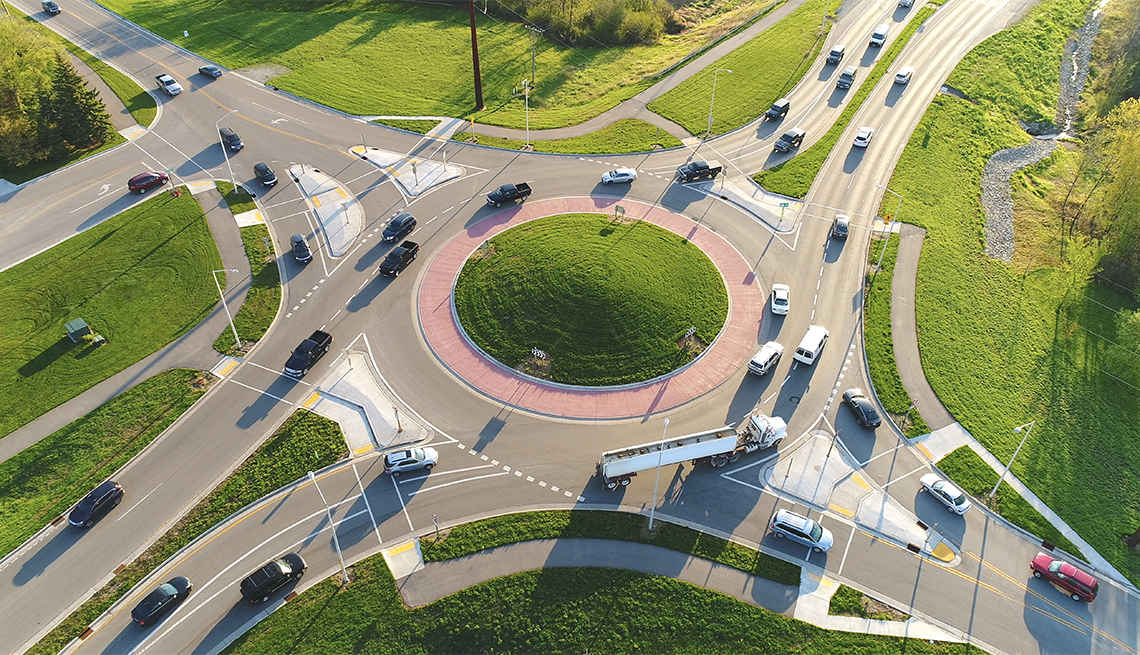
Ever felt a knot in your stomach approaching a roundabout? You’re not alone. Many drivers find them confusing, especially when traffic is heavy or they encounter unfamiliar layouts. Roundabouts are designed to improve traffic flow and reduce severe accidents, but only if everyone knows how to navigate them properly.
The truth is, a poorly navigated roundabout can quickly turn into a collision waiting to happen. Hesitation, incorrect lane choices, or misunderstanding right-of-way rules can lead to fender-benders or worse. Mastering roundabout etiquette is crucial for your safety, the safety of your passengers, and the well-being of everyone else on the road. One key habit to develop is slowing down and assessing the entire situationbeforeyou enter the roundabout. Don't just focus on the car immediately to your left; scan for pedestrians, cyclists, and other vehicles approaching or already circulating. This simple act of observation can significantly reduce your risk.
Understanding the Basics of Roundabout Navigation
Roundabouts, also known as traffic circles, are circular intersections designed to keep traffic moving more smoothly than traditional four-way stops or signalized intersections. They achieve this by eliminating left turns and through movements that often cause delays and collisions. They encourage slower speeds and a more continuous flow of traffic, potentially reducing the severity of accidents should they occur.
However, their effectiveness hinges on drivers understanding and following specific rules. Let's break down the core principles of roundabout navigation. The essential idea to always keep in mind is yield to traffic already in the circle.
Yield the Right-of-Way: Vehiclesalready inthe roundabout have the right-of-way. You must yield to them before entering. This is the most crucial rule! Slow Down: Reduce your speed as you approach the roundabout. You should be able to stop safely if needed. Choose the Correct Lane: Roundabouts often have multiple lanes. Pay attention to signs and pavement markings to choose the lane appropriate for your desired exit. Incorrect lane choice is a common cause of confusion and near-misses. Signal Your Intent: Use your turn signal to indicate your intended exit. Signalrightwhen approaching your exit to alert other drivers. Navigate Smoothly: Once in the roundabout, maintain a consistent speed and avoid abrupt stops or lane changes. Watch for Pedestrians and Cyclists: Be extra vigilant for pedestrians and cyclists crossing the roundabout, especially at designated crosswalks.
Common Roundabout Mistakes and How to Avoid Them
Even experienced drivers sometimes make mistakes in roundabouts. Here are some of the most common errors and how to avoid them: Failing to Yield: This is the number one cause of accidents. Remember, vehiclesalready inthe roundabout have the right-of-way. Don't assume you can "squeeze in." Entering Too Fast: Approaching a roundabout at high speed reduces your reaction time and makes it harder to judge gaps in traffic. Always slow down! Incorrect Lane Choice: Getting into the wrong lane can lead to confusion and necessitate unsafe lane changes within the roundabout. Study the signs and pavement markingsbeforeyou enter. If you miss your exit because you were in the wrong lane, circle around again rather than making a dangerous, last-minute maneuver. Not Signaling: Failing to signal your exit can confuse other drivers and lead to collisions. Use your right turn signal as you approach your exit. Stopping Unnecessarily:Stopping within the roundabout can disrupt the flow of traffic and increase the risk of rear-end collisions. Only stop if necessary to avoid a collision.
What if the Roundabout Has Multiple Lanes?
Navigating multi-lane roundabouts requires extra attention and planning. Here are some tips: Plan Ahead: Before you enter the roundabout, determine which exit you need and choose the appropriate lane. Signs and pavement markings will guide you. Stay in Your Lane: Once you're in your lane, stay in it unless you need to change lanes to exit. Signal your lane change intentions clearly. Watch for Other Vehicles: Be aware of vehicles in adjacent lanes, especially when changing lanes or exiting. Check your mirrors and blind spots. Yield When Changing Lanes: If you need to change lanes within the roundabout, yield to vehicles already in the lane you want to enter. Don't Cut Across Lanes:Avoid making sudden or sharp lane changes that could cut off other drivers.
How Do I Handle Emergency Vehicles in a Roundabout?
The presence of emergency vehicles (police, fire trucks, ambulances) requires special considerations in a roundabout.
If Approachingthe Roundabout: If you're approaching the roundabout and see or hear an emergency vehicle with its lights and siren activated, yield the right-of-way and allow it to pass. You may need to stop before entering the roundabout. If Insidethe Roundabout: If you're already circulating within the roundabout, continue to your exit, then safely pull over to the right to allow the emergency vehicle to pass. Avoid stopping abruptly within the roundabout, as this can create a hazard for other drivers. General Rule:Prioritize safety and avoid blocking the path of the emergency vehicle.
What's the Best Speed to Enter a Roundabout?
There's no single "best" speed, as it depends on factors like traffic volume, visibility, and the roundabout's design. However, the general principle is to approach and enter the roundabout at a speed that allows you to: Yield Safely: Be able to stop if necessary to yield to traffic already in the roundabout. Maintain Control: Have full control of your vehicle. React to Hazards:Be able to react to unexpected situations, such as pedestrians or cyclists.
As a general guideline, aim for a speed of around 15-25 mph as you approach and enter the roundabout. Adjust your speed based on the specific conditions. In adverse weather, such as rain or snow, reduce your speed further. Prioritize safe driving tips and defensive driving habits in these situations.
Advanced Tips for Confident Roundabout Driving
Beyond the basic rules, here are some advanced tips to help you navigate roundabouts with greater confidence: Anticipate Other Drivers' Actions: Watch for clues about other drivers' intentions, such as their lane position and use of turn signals. Try to anticipate their actions and be prepared to react accordingly. Maintain a Safe Following Distance: Give yourself plenty of space between your vehicle and the vehicle in front of you. This will give you more time to react if the other driver brakes suddenly. Use Your Mirrors Regularly: Check your mirrors frequently to monitor traffic around you. This will help you stay aware of potential hazards. Be Decisive: Hesitation can be dangerous in a roundabout. Once you've determined that it's safe to enter, proceed confidently and smoothly. Practice Makes Perfect:The more you drive in roundabouts, the more comfortable you'll become. If possible, practice in areas with less traffic to build your confidence.
Remember to always prioritize road safety. This includes minimizing distractions, obeying traffic laws, and maintaining your vehicle safety features. Safe driving tips can only take you so far if you don't actively practice defensive driving habits.
Roundabouts might seem daunting at first, but with a clear understanding of the rules and a commitment to safe driving practices, you can navigate them with ease and confidence. Every journey is a chance to hone your skills and become a more responsible driver. Keep practicing, stay focused, and contribute to a safer road environment for everyone.