
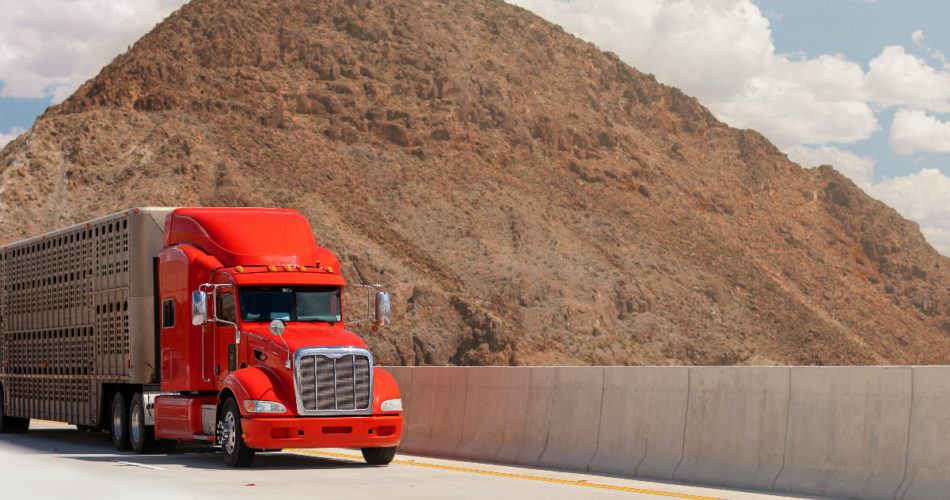
Ever feel a little uneasy when you're sharing the road with a massive tractor-trailer? You're not alone. Many drivers find themselves feeling vulnerable around large trucks, and for good reason. Their size and maneuverability present unique challenges on the road.
Driving near large trucks requires a different approach than navigating around cars. Due to their size and weight, trucks have significant blind spots, longer stopping distances, and limited maneuverability. Understanding these limitations and adopting safe driving habits can dramatically reduce your risk of accidents and ensure a safer journey for everyone. Being aware and taking extra precautions is the key to safe road sharing.
One of the most impactful habits you can adopt is maintaining a significantly larger following distance when behind a truck. The rule of thumb is to allow at least four seconds of following distance – and increase that even more in inclement weather or when the truck is traveling downhill. This provides you with ample time to react if the truck brakes suddenly or encounters an obstacle. Also, make sure you can see both of the truck's side mirrors; if you can't, you're too close.
Understanding Truck Blind Spots (No-Zones)
Trucks have significantly larger blind spots than passenger vehicles, often referred to as "No-Zones." These areas around the truck offer the driver limited or no visibility, increasing the risk of collisions if other vehicles are positioned within them. Understanding where these blind spots are is crucial for safe driving.
The Right Side: This is generally the largest and most dangerous blind spot. Avoid lingering in the right lane alongside a truck, especially at intersections. The Left Side: While smaller than the right-side blind spot, it's still substantial. Pass trucks on the left quickly and safely. The Front: Avoid cutting in front of a truck too closely. Trucks require a much greater stopping distance than cars. The Rear: Never tailgate a truck. The driver cannot see you, and if they need to brake suddenly, a rear-end collision is almost unavoidable.
Staying out of these No-Zones significantly improves your safety and the safety of the truck driver. Always be mindful of a truck's position and avoid lingering in these areas.
Why are truck blind spots so big?
The elevated driving position and the sheer size of the trailer contribute to large blind spots. Mirrors, even those designed to minimize blind spots, can't fully compensate for the obstructed views. That's why relying on the truck driver to see you in their blind spot is a gamble you shouldn't take. Always assume they can't see you.
Safe Passing Techniques
Passing a large truck requires extra caution and awareness. Avoid common mistakes that can lead to dangerous situations.
Signal Your Intent: Clearly signal your intention to pass well in advance. This gives the truck driver time to anticipate your move. Pass on the Left (When Possible): Passing on the left is generally safer because the left-side blind spot is smaller than the right. Accelerate Smoothly: Increase your speed smoothly and steadily while passing. Avoid sudden bursts of acceleration or jerky movements. Don't Linger: Once you've passed the truck, don't linger in its blind spot. Complete the pass quickly and safely. Ensure Adequate Clearance:Before merging back into the lane in front of the truck, ensure you have plenty of clearance. Don't cut in front of the truck too closely. Again, a good rule of thumb is if you can see both headlights of the truck in your rearview mirror, you have enough space.
Following these steps minimizes risks and ensures a safer passing maneuver for everyone.
What if I need to pass on the right?
While passing on the left is generally recommended, situations might arise where passing on the right is necessary (e.g., in heavy traffic). If you must pass on the right, exercise extreme caution due to the truck's larger right-side blind spot. Signal clearly, maintain a safe distance, and be extra vigilant.
Maintaining Safe Following Distance
As mentioned earlier, maintaining a safe following distance behind a large truck is crucial for avoiding accidents. Trucks require significantly longer stopping distances than passenger vehicles.
The Four-Second Rule: At a minimum, maintain a four-second following distance under ideal conditions. Choose a stationary object, like a sign or a tree, and count the seconds it takes for your vehicle to pass it after the truck passes it. If it's less than four seconds, you're too close. Increase Distance in Adverse Conditions: Increase your following distance in rain, snow, fog, or at night. Reduced visibility and slippery road surfaces increase stopping distances for all vehicles, especially large trucks. Avoid Tailgating:Never tailgate a truck. Not only is it dangerous, but it also reduces your visibility and reaction time. The truck driver can't see you, and you won't have enough time to react if they brake suddenly.
How does weather affect safe following distance?
Weather conditions dramatically impact braking distances. In wet conditions, double your following distance to at least eight seconds. In snow or ice, increase it even further – potentially to ten seconds or more. Reduced visibility also warrants an increased following distance.
Understanding Truck Turns
Trucks often make wide turns, especially to the right. Be aware of this and give them plenty of room.
Don't Box Them In: At intersections, avoid pulling up alongside a truck that is signaling a right turn. They may need to swing wide to complete the turn, and you could be caught in their path. Give Them Space: When a truck is turning, give them ample space to maneuver. Don't try to squeeze past them or cut them off. Be Patient:Turning can take time for large trucks. Be patient and allow them to complete their turn safely.
What if a truck is swinging wide into my lane?
If a truck is swinging wide into your lane, slow down or stop to allow them to complete the turn. Don't try to maintain your position or speed up to avoid them. Your priority should be avoiding a collision. Be prepared to yield your right-of-way.
Vehicle Safety Features and Defensive Driving Habits
Beyond understanding truck behavior, utilizing your vehicle's safety features and adopting defensive driving habits are crucial. Modern cars are equipped with features like Electronic Stability Control (ESC), Anti-lock Braking Systems (ABS), and advanced driver-assistance systems (ADAS) such as lane departure warning and blind spot monitoring. Familiarize yourself with these features and understand how they work to enhance your safety.
Defensive driving habits include: Maintaining Situational Awareness: Constantly scan your surroundings and anticipate potential hazards. Avoiding Distractions: Put away your phone and focus on the road. Signaling Clearly: Communicate your intentions to other drivers. Managing Speed: Drive at a safe speed for the conditions. Being Predictable:Drive in a predictable manner so other drivers can anticipate your actions.
These habits, combined with your vehicle's safety features, significantly improve your ability to react to unexpected situations and avoid accidents.
How can I improve my defensive driving skills?
Consider taking a defensive driving course. These courses teach you advanced techniques for anticipating and avoiding hazards. They can also help you improve your reaction time and decision-making skills behind the wheel. Practice makes perfect – the more you consciously apply these techniques, the more they will become second nature.
Sharing the road with large trucks requires awareness, patience, and a commitment to safe driving practices. By understanding their limitations and adopting the tips outlined above, you can significantly reduce your risk and ensure a safer journey for yourself and everyone around you. Stay focused, stay alert, and remember that a little extra caution can make all the difference.