
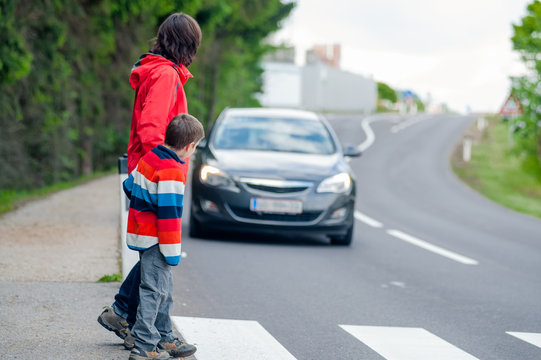
Picture this: You're cruising down a familiar street, enjoying the music and the rhythm of the road. Suddenly, out of nowhere, a pedestrian steps into your path. Your heart leaps into your throat. What do you do? This is a scenario every driver dreads, and knowing how to react can be the difference between a close call and a tragedy.
The sudden appearance of a pedestrian is a high-stakes situation demanding instant reaction. These moments, often lasting only a few seconds, test a driver's reflexes, awareness, and adherence to safe driving principles. Pedestrian accidents can result in serious injuries or fatalities, highlighting the urgent need for drivers to be prepared and know how to respond effectively. Understanding the proper reaction is crucial for maintaining road safety for everyone.
One of the best safe driving tips is to practice constant scanning. Don't just stare straight ahead; actively scan the sides of the road, looking for pedestrians, cyclists, and other potential hazards. Another habit is to reduce your speed in areas with high pedestrian traffic, like school zones, residential neighborhoods, and near bus stops. Slower speeds give you more time to react.
Defensive Driving: Reacting to the Unexpected
Defensive driving habits are more than just rules; they're a mindset. When a pedestrian unexpectedly enters your path, your initial reaction matters tremendously. The goal is to avoid a collision while maintaining control of your vehicle. Here’s a breakdown of how to react: Immediate Braking:Your first instinct should be to brake firmly and immediately. Apply steady, controlled pressure to the brake pedal. Avoid slamming on the brakes, which could cause your wheels to lock and result in a loss of steering control, especially in wet or slippery conditions. If your car has Anti-lock Braking System (ABS), you should feel a pulsating sensation under your foot. Maintain firm, even pressure on the brake pedal and allow the ABS to do its job.
Steering Clear: While braking is crucial, simultaneously assess your surroundings. If you have enough space and it's safe to do so, steer gently around the pedestrian.Neverswerve abruptly, as this could cause you to lose control or veer into another lane of traffic. Check your mirrors and blind spots before making any steering adjustments.
Honk Your Horn: Use your horn to alert the pedestrian to your presence. A short, sharp honk can warn them of the danger and give them a chance to move out of the way. However, be mindful of your surroundings; avoid prolonged or aggressive honking that could startle the pedestrian further or create a panic situation.
Brace for Impact (If Necessary): In some cases, despite your best efforts, a collision may be unavoidable. If this is the case, brace yourself and try to steer the vehicle in a direction that will minimize the impact. For example, aim for a glancing blow rather than a direct hit. Remember, even in a situation where a collision is imminent, maintaining control of your vehicle can help reduce the severity of the impact.
Stay Calm and Assess: After the immediate threat has passed, take a deep breath and assess the situation. Check your mirrors to ensure you haven't been rear-ended by another vehicle. Pull over to a safe location as soon as possible.
Understanding Traffic Laws and Pedestrian Rights
Understanding traffic laws related to pedestrians is crucial for preventing accidents. Many areas have specific laws regarding crosswalks, right-of-way, and speed limits in pedestrian zones.
Crosswalks: Always yield to pedestrians in crosswalks, whether they are marked or unmarked. Remember that a pedestrian doesn't have to be directlyinthe crosswalk for you to have to yield; if they are approaching it with the clear intention of crossing, you must yield.
Right-of-Way: Pedestrians generally have the right-of-way, but this doesn't mean they can step out into traffic without looking. As a driver, you should anticipate pedestrian movements and be prepared to stop.
School Zones and Residential Areas: Be extra cautious in school zones and residential areas, where children are likely to be present. Reduce your speed and be prepared to stop at any time.
Distracted Walking: Be aware that pedestrians may be distracted by their phones or other devices. This makes it even more important to be vigilant and anticipate their actions.
What are the penalties for hitting a pedestrian?
The penalties for hitting a pedestrian vary depending on the severity of the injuries and the specific traffic laws in your jurisdiction. They can range from fines and license suspension to imprisonment. You may also face civil lawsuits from the injured pedestrian or their family.
What factors determine fault in a pedestrian accident?
Several factors are considered when determining fault, including: Traffic Laws: Was the driver or pedestrian violating any traffic laws at the time of the accident? Visibility: Was the pedestrian clearly visible? Were there any obstructions or weather conditions that made it difficult to see? Driver Actions: Was the driver speeding, distracted, or driving under the influence of alcohol or drugs? Pedestrian Actions: Did the pedestrian dart into traffic without looking? Were they crossing outside of a designated crosswalk?
How does vehicle safety features help prevent pedestrian accidents?
Modern vehicle safety features play a significant role in preventing pedestrian accidents.
Automatic Emergency Braking (AEB): AEB systems use sensors to detect pedestrians in the vehicle's path and automatically apply the brakes to avoid or mitigate a collision. Pedestrian Detection Systems: Some vehicles have pedestrian detection systems that provide visual and audible warnings to the driver when a pedestrian is detected in the vehicle's path. Lane Departure Warning Systems: These systems can help prevent accidents by alerting the driver if the vehicle is drifting out of its lane, which could put pedestrians at risk. Backup Cameras: Backup cameras provide a clear view of the area behind the vehicle, helping to prevent accidents when backing up. Adaptive Headlights:Adaptive headlights adjust the angle and intensity of the headlights based on the vehicle's speed and steering angle, improving visibility and making it easier to spot pedestrians.
Proactive Steps: Enhancing Awareness and Response
Improving your awareness and response time is key to preventing pedestrian accidents. Here are some proactive steps you can take: Minimize Distractions:Avoid using your phone, eating, or engaging in other distracting activities while driving. Focus your full attention on the road.
Adjust Speed to Conditions: Reduce your speed in adverse weather conditions such as rain, snow, or fog. These conditions can reduce visibility and increase stopping distances.
Be Predictable: Make your intentions clear to other drivers and pedestrians by using your signals and maintaining a consistent speed.
Anticipate Pedestrian Behavior: Watch for signs that a pedestrian may enter the roadway, such as people waiting at bus stops or children playing near the street.
Take a Defensive Driving Course: A defensive driving course can provide you with valuable skills and techniques for avoiding accidents.
Regular Vehicle Maintenance: Ensure your vehicle's brakes, tires, and other safety systems are in good working order. Regular maintenance can help prevent mechanical failures that could contribute to an accident.
Mastering these techniques and building these habits takes time and consistent effort. Don't get discouraged if you don't feel like an expert overnight. With regular practice and a commitment to safe driving, you can become a more confident and responsible driver. Remember, every conscious choice you make behind the wheel contributes to a safer environment for everyone on the road.