
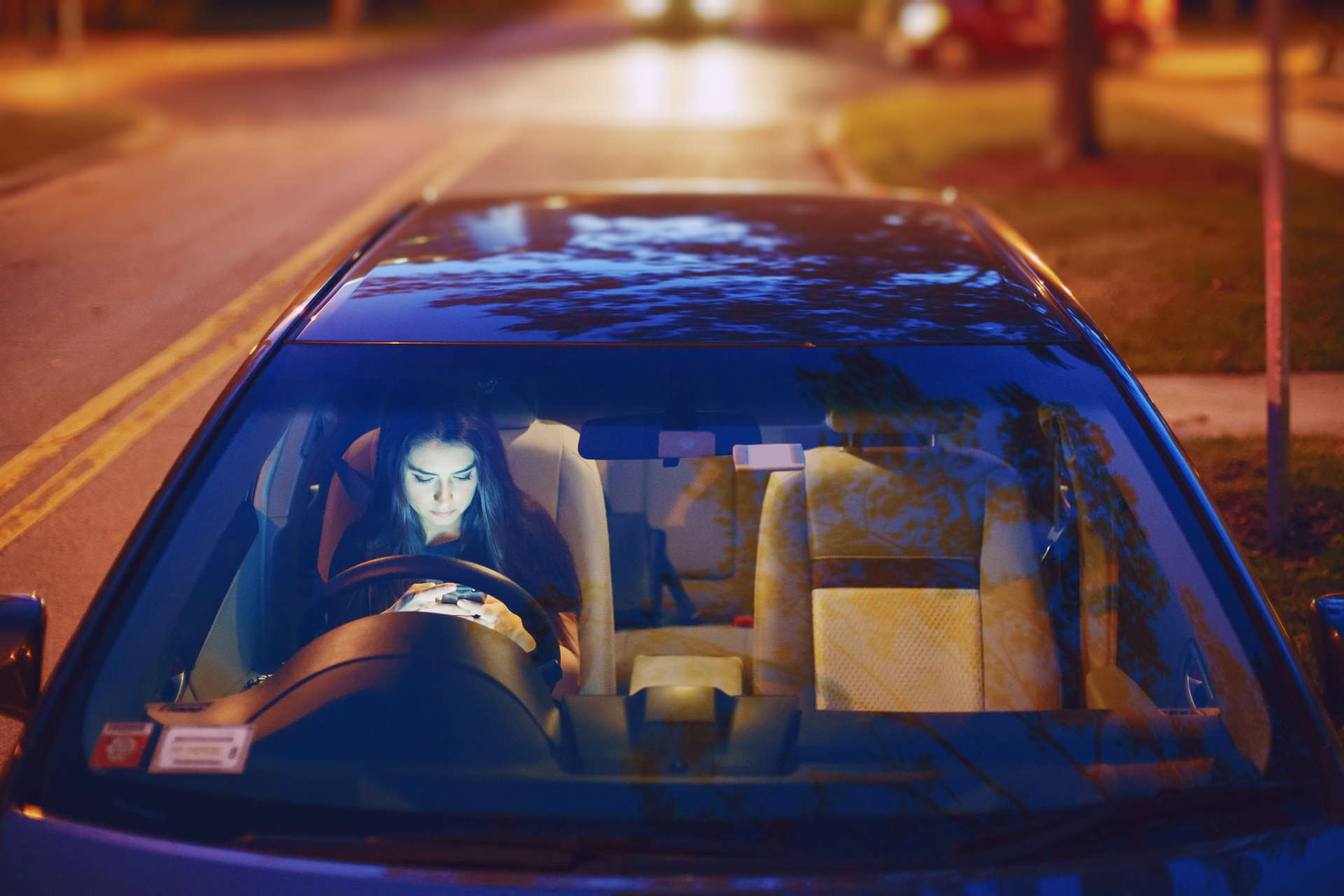
Ever been on a long road trip, kids in the back demanding the light be on so they can read? Or maybe you’re rummaging through your bag on a dark highway, needing just a little illumination to find your phone. It's a common scenario, and one that brings up a frequently debated question among drivers: is it safe to drive with the interior light on?
That simple dome light can actually pose a significant distraction, impacting your night vision and potentially increasing the risk of an accident. While it might seem harmless, understanding how that little bulb affects your vision and attention is crucial for road safety. Let's dive into why driving with the interior light on is often discouraged and what you can do instead to ensure a safer journey.
The Science Behind Night Vision and Interior Lights
Our eyes are incredible at adapting to a wide range of light conditions. But that adaptation takes time, especially when transitioning from bright light to darkness, or vice versa. When you turn on the interior light while driving at night, you're essentially forcing your eyes to constantly readjust.
Think of it like this: your pupils constrict in bright light to limit the amount of light entering your eye. In the dark, they dilate to gather as much light as possible. When you flip on that interior light, your pupils constrict. Then, when you look back at the road, your pupils need time to re-dilate to see clearly in the darkness. This constant adjustment can lead to: Reduced Night Vision:The sudden burst of light impairs your ability to see clearly in the dark, making it harder to spot pedestrians, cyclists, or other vehicles. This is especially true for older drivers whose eyes take longer to adjust.
Glare and Reflections: The interior light can reflect off the windshield and windows, creating glare that further reduces visibility. This glare can be incredibly distracting and make it difficult to focus on the road ahead.
Impaired Peripheral Vision: Your peripheral vision is crucial for detecting potential hazards approaching from the sides. Interior lights can interfere with this peripheral vision, making it harder to react to unexpected events.
Increased Eye Strain: Constantly adjusting to changing light levels can cause eye strain, leading to fatigue and headaches. This can further impair your driving ability.
Is It Illegal to Drive With the Interior Light On?
This is a common question, and the answer is usually no, but it's more nuanced than that. There isn't a federal law prohibiting driving with the interior light on. However, some states or local jurisdictions might have laws that could be interpreted to include this.
The key thing to consider is whether the light is considered a distraction that impairs your ability to drive safely. Many traffic laws prohibit distracted driving, and if a police officer believes that the interior light is contributing to unsafe driving behavior, you could potentially be pulled over. While a ticket specifically for the dome light is rare, it could be cited as a contributing factor if you're involved in an accident. Always prioritize following traffic laws and using defensive driving habits.
What about dashboard lights?
Dashboard lights are designed to be used while driving and are generally dim enough not to significantly impair night vision. However, it’s still a good idea to dim them to the lowest comfortable level to minimize distraction.
Can passengers use phone screens?
While it's generally safer for passengers to use their phones than the driver, bright screens can still cause a distraction for the driver. Encourage passengers to dim their screens or use night mode, especially on long drives.
Practical Alternatives for a Safer Drive
So, if you shouldn’t use the interior light, how do you manage situations where you need a little extra illumination? Here are some practical safe driving tips: Use a Small Flashlight or Headlamp:A small flashlight or headlamp can provide focused light without illuminating the entire cabin. A red light is preferable, as it has less impact on night vision. Direct the light downwards to avoid glare.
Plan Ahead: Before you start your journey, take a moment to organize your belongings so you can easily find what you need without searching in the dark.
Take Breaks: If you're on a long road trip and need to read or find something, pull over to a safe location to do so. This allows you to use the interior light without compromising your driving safety.
Utilize Vehicle Safety Features: Many modern vehicles have features like automatic headlights, adaptive cruise control, and lane departure warning systems that can enhance safety during nighttime driving. Make sure you understand how to use these features effectively.
Communicate with Passengers: If you have passengers who need to read or use a light, explain the safety concerns and work together to find a solution that doesn't compromise your driving. For instance, agree to stop at a well-lit rest area.
Prioritizing Safety: A Continuous Effort
Driving safely, especially at night, requires constant vigilance and a commitment to responsible decision-making. It's about more than just knowing the traffic laws; it's about understanding how your actions can impact your ability to drive safely and defensively. Every small choice, from adjusting your mirrors to managing interior lights, contributes to your overall safety and the safety of those around you. Remember, being a responsible driver is a continuous effort, and by making informed decisions, you can significantly reduce your risk on the road. You've got this.