
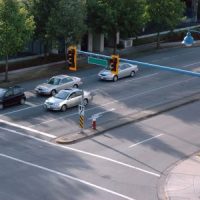
Ever have that split-second feeling as you approach an intersection – that nagging sense that someone might not see you? It’s a primal instinct many drivers have learned the hard way, and it's often a sign you need to sharpen your awareness. Intersections, despite being regulated by lights and signs, are consistently among the most dangerous places on our roads.
The dreaded T-bone collision. It's a crash where the front of one vehicle slams into the side of another, forming a "T" shape. These accidents are particularly dangerous because the side of a car offers significantly less protection than the front or rear. Occupants on the struck side are at high risk of serious injury, even in modern vehicles with side airbags. Understanding how to anticipate and avoid these crashes is crucial for road safety. We're going to break down some defensive driving habits that can dramatically reduce your risk.
Scan the Intersection Like a Hawk
The single most effective way to avoid getting T-boned is to be hyper-aware of your surroundings as you approach any intersection. Don’t just glance –scan. This means actively looking left, right, and straight ahead, paying close attention to cross-traffic, pedestrians, and cyclists.
Understand the Risks at Intersections
Intersections are complex environments where multiple vehicles are converging from different directions, often under different rules (green lights, yellow lights, stop signs, yield signs). This complexity creates ample opportunities for errors in judgment, miscommunication, and outright violations of traffic laws, all of which can lead to collisions.
Here's what makes intersections particularly dangerous: Obstructed Views: Buildings, trees, and even other vehicles can block your line of sight, making it difficult to see oncoming traffic. Driver Distraction: Drivers are often multitasking – changing the radio, using their phones (despite laws against it), or talking to passengers – and may not be fully focused on the road. Driver Impairment: Alcohol, drugs, and even fatigue can impair a driver’s judgment and reaction time, increasing the likelihood of a collision. Speeding: Drivers who are speeding may not be able to stop in time to avoid a collision, especially if another driver makes a mistake. Red Light Running: Perhaps the most blatant and dangerous violation is running a red light. This is a leading cause of T-bone collisions. Turning Errors: Drivers making left turns across traffic have to judge gaps in oncoming traffic, and misjudgments are common.
Knowing these risks allows you to anticipate potential hazards and adjust your driving accordingly.
Practical Tips for Avoiding T-Bone Accidents
While you can't control the actions of other drivers, youcancontrol your own driving and take steps to minimize your risk. Here are some actionable tips: Slow Down: Reduce your speed as you approach any intersection, even if you have a green light. This gives you more time to react if another driver makes a mistake. Look Left, Right, Then Left Again: This is a classic piece of advice for a reason. Before entering an intersection, scan left, right, and then left again. This ensures you haven't missed any oncoming traffic. The second look to the left is critical, as this is the direction from which most cross-traffic will be coming. Anticipate the "Stale" Green Light: A "stale" green light is one that has been green for a while. Assume it's about to turn yellow, and be prepared to stop. Don't accelerate through a stale green light, as you might find yourself in the intersection when it turns red and cross-traffic starts moving. Maintain Eye Contact: If possible, try to make eye contact with drivers approaching the intersection from other directions. This can help you gauge their intentions and determine if they see you. Be Wary of Large Vehicles: Trucks and buses have larger blind spots and require more time to stop. Give them extra space and be particularly cautious when they are turning. Cover the Brake: As you approach an intersection, especially one with potential hazards, hover your foot over the brake pedal. This allows you to react more quickly if you need to stop. Check Your Mirrors: Regularly check your rearview and side mirrors to be aware of the traffic around you. This will help you anticipate potential hazards and avoid being surprised by sudden movements. Avoid Distractions: Put away your phone, adjust your radio before you approach the intersection, and focus on the road. Distractions can significantly impair your reaction time and increase your risk of a collision. Use Your Signals: Always use your turn signals to indicate your intentions. This gives other drivers advance warning of your movements and allows them to react accordingly. After the Light Turns Green, Hesitate: Don't immediately accelerate when the light turns green. Take a quick glance left and right to make sure no one is running the red light. This one-second hesitation can prevent a life-altering collision. Be Extra Cautious at Night and in Bad Weather: Visibility is reduced at night and in bad weather, making it harder to see oncoming traffic. Slow down, increase your following distance, and be extra vigilant. Know Your Vehicle's Safety Features: Familiarize yourself with your vehicle's safety features, such as antilock brakes (ABS), electronic stability control (ESC), and blind-spot monitoring. These features can help you avoid a collision, but they are not a substitute for safe driving habits.
Addressing Common Concerns
Let's tackle some frequently asked questions related to intersection safety and defensive driving.
How do I handle a yellow light safely?
The yellow light is a tricky situation. The general rule is that if you can safely stop before the intersection, you should. However, if you are too close to the intersection to stop safely, you should proceed through it cautiously. Key things to consider: Distance to the Intersection: How far away are you when the light turns yellow? The closer you are, the more likely it is that you should proceed through the intersection. Speed: How fast are you going? The faster you are going, the longer it will take you to stop. Road Conditions: Are the roads wet or icy? If so, it will take you longer to stop. Traffic Behind You: Is there a car tailgating you? If so, stopping suddenly could cause a rear-end collision.
The bottom line: Err on the side of caution. If you are unsure whether you can stop safely, proceed through the intersection, but do so cautiously.
What's the safest speed in rain?
There isn't a single "safest speed" in the rain, as it depends on a number of factors, including the intensity of the rain, the type of tires you have, and the condition of the road. However, the general principle is to significantly reduce your speed in wet conditions.
Reduce Speed by 10-20 mph: As a general guideline, reduce your speed by 10-20 mph below the posted speed limit. Avoid Sudden Movements: Accelerate, brake, and steer gradually to avoid losing control. Increase Following Distance: Increase your following distance to at least four seconds to give yourself more time to react. Hydroplaning Awareness: Be aware of the risk of hydroplaning, which occurs when your tires lose contact with the road due to a layer of water. If you start to hydroplane, ease off the accelerator and steer gently in the direction you want to go. Do not brake suddenly. Turn on Your Headlights: Turn on your headlights, even during the day, to increase your visibility to other drivers. If Visibility is Severely Limited: Pull over to a safe location and wait for the rain to subside if you can't see clearly.
What if I suspect another driver is impaired?
If you suspect that another driver is impaired, maintain a safe distance from their vehicle and avoid any aggressive driving maneuvers. Report the driver to the authorities as soon as possible. Provide the dispatcher with as much information as possible, including the vehicle's make, model, color, and license plate number, as well as the direction in which the vehicle is traveling and a description of the driver's behavior.
Do not attempt to confront the driver directly. This could put you in danger.Pull over to a safe location before making the call to avoid driving distracted.*The information you provide could save lives.
Cultivate Consistent Defensive Driving Habits
Avoiding T-bone collisions is a skill honed through consistent practice of safe driving habits. By remaining vigilant, anticipating potential hazards, and following the tips outlined above, you can significantly reduce your risk of being involved in one of these dangerous accidents. Remember, road safety is a shared responsibility, and your commitment to defensive driving can make a difference. Drive safely, stay aware, and arrive alive.